
đŸŒēđŸŒēāĻļāϤāϰ⧂āĻĒ⧇ āύāĻžāϰ⧀ đŸŒēđŸŒē

Spread the love

āϏāĻ•āϞ āϏāύāĻžāϤāύ⧀ āĻŽāĻžā§Ÿā§‡āĻĻ⧇āϰ āϜāĻžāύāĻžāχ āφāĻ¨ā§āϤāĻ°ā§āϜāĻžāϤāĻŋāĻ• āύāĻžāϰ⧀ āĻĻāĻŋāĻŦāϏ⧇āϰ āĻļ⧁āϭ⧇āĻšā§āĻ›āĻžāĨ¤

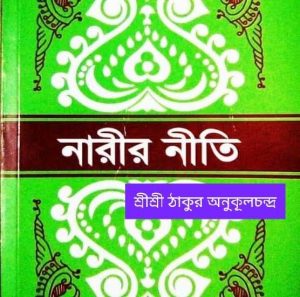
āύāĻžāϰ⧀āϰ āύ⧀āϤāĻŋ āϝ⧁āĻ—āĻĒ⧁āϰ⧁āώ⧋āĻ¤ā§āϤāĻŽ āĻļā§āϰ⧀āĻļā§āϰ⧀ āĻ āĻžāϕ⧁āϰ⧇āϰ āĻ•āĻĨāĻŋāϤ āĻāĻ• āϗ⧁āϰ⧁āĻ¤ā§āĻŦāĻĒā§‚āĻ°ā§āύ āύāĻŋāĻ°ā§āĻĻ⧇āĻļāύāĻžāĻŽā§‚āϞāĻ• āĻ—ā§āϰāĻ¨ā§āĻĨāĨ¤ āĻ…āύāϞāĻžāχāύ⧇ āϚāĻžāχāϞ⧇ āĻĒā§œā§‡ āύāĻŋāϤ⧇ āĻĒāĻžāϰ⧇āύāĨ¤

āĻ āĻžāϕ⧁āϰ āύāĻžāϰ⧀ āϜāĻžāϤāĻŋāϕ⧇ āϏāĻŽā§āĻŽāĻžāύ āĻ“ āĻļā§āϰāĻĻā§āϧāĻž āĻĻ⧇āĻ–āĻžāϤ⧇ āĻŦāϞāϞ⧇āύāĨ¤ āĻ¸ā§ŽāϏāĻ™ā§āĻ—ā§€āĻĻ⧇āϰ āύāĻŋāĻ•āϟ āύāĻžāϰ⧀āϰ āĻ¸ā§āĻĨāĻžāύ āĻ…āύāĻ¨ā§āϝ āωāĻšā§āϚāϤāĻžā§Ÿ āφāϏ⧀āύāĨ¤ āĻŽā§‡ā§Ÿā§‡āϰāĻž āĻšāϞ āĻŽāĻž,āϜāĻžā§ŸāĻž,āĻ­āĻ—āĻŋāύ⧀,āĻĒāĻŋāϏ⧀,āĻŽāĻžāϏ⧀,āĻ āĻžāϕ⧁āϰāĻŽāĻž,āĻ•āĻžāϕ⧀āĻŽāĻž,āĻœā§‡āĻ ā§€āĻŽāĻž āχāĻ¤ā§āϝāĻžāĻĻāĻŋāĨ¤ āĻŽāĻžā§Ÿā§‡āĻĻ⧇āϰ āĻāĻŽāύ āĻ…āύ⧇āĻ•āϰ⧂āĻĒāĨ¤ āĻŽāĻžā§Ÿā§‡āϰāĻž āĻĒāϰāĻŋāĻŦāĻžāϰ,āϏāĻŽāĻžāϜ,āĻĻ⧇āĻļ,āϜāĻžāϤāĻŋ, āϏāĻ‚āĻ¸ā§āĻ•āĻžāϰ, āĻŽā§‚āĻ˛ā§āϝāĻŦā§‹āϧ āϰāĻ•ā§āώāĻž āĻ•āϰ⧇ āϚāϞ⧇āϛ⧇āύāĨ¤ āĻŽāĻžā§Ÿā§‡āĻĻ⧇āϰ āĻĒāϰāĻŽāĻ¸ā§āύ⧇āĻšā§‡ āϞāĻžāϞāύ-āĻĒāĻžāϞāύ⧇āϰ āĻ•āĻžāϰāύ⧇ āφāĻŽāϰāĻž āĻĒ⧃āĻĨāĻŋāĻŦā§€āϤ⧇ āφāϞ⧋āϰ āĻŽā§āĻ– āĻĻ⧇āĻ–āϤ⧇ āĻĒāĻžāχ āĻāĻŦāĻ‚ āϏāϝāϤāύ⧇ āĻŦā§‡ā§œā§‡ āωāĻ āĻŋāĨ¤ āϏāύāĻžāϤāύ āϧāĻ°ā§āĻŽā§‡ āĻŽāĻžāϕ⧇ āĻĻ⧇āĻŦā§€ āĻœā§āĻžāĻžāύ⧇ āφāϰāĻžāϧāύāĻž āĻ•āϰāĻž āĻšā§ŸāĨ¤
āĻ āĻžāϕ⧁āϰ āĻŦāϞ⧇āϛ⧇āύ, “āĻĒā§āϰāĻ¤ā§āϝ⧇āĻ• āĻŽā§‡ā§Ÿā§‡āχ āύāĻŋāĻœā§‡āϰ āĻŽāĻžā§Ÿā§‡āϰ āĻāĻ• āĻāĻ•āϟāĻž āϰ⧂āĻĒ āĻāĻŽāύāϟāĻž āĻ­āĻžāĻŦāϤ⧇ āĻšā§ŸāĨ¤”
āĻĒā§āϰāĻ¤ā§āϝ⧇āĻ• āĻŽā§‡ā§Ÿā§‡āχ āϜāĻ—āĻĻāϜāύāύ⧀āϰ āĻāĻ• āĻāĻ•āϟāĻŋ āĻ…āĻ‚āĻļāĨ¤
āĻŽāĻžā§Ÿā§‡āĻĻ⧇āϰ āĻ…āύ⧇āĻ• āĻĻāĻžā§ŸāĻŋāĻ¤ā§āĻŦ āĻāχ āϏāĻ‚āϏāĻžāϰ⧇āĨ¤ āϤāĻžāχ āĻĻāĻļāĻ­ā§‚āϜāĻž āĻĻā§‚āĻ°ā§āĻ—āĻžāĨ¤ āĻŽāĻžā§Ÿā§‡āĻĻ⧇āϰ āĻĻāĻļāĻĻāĻŋāĻ• āϏāĻžāĻŽāϞ⧇ āϚāϞāϤ⧇ āĻšā§ŸāĨ¤ āĻ āĻāĻ• āĻĒāϰāĻŽ āύāĻŋāĻ°ā§āĻ­āϰāϤāĻžāĨ¤
āύāĻžāϰ⧀āĻ¤ā§āĻŦ⧇āϰ āĻļāĻ•ā§āϤāĻŋ āĻšāϞ āĻŦ⧜ āĻļāĻ•ā§āϤāĻŋāĨ¤ āĻāχ āĻļāĻ•ā§āϤāĻŋ āϜāĻžāĻ—ā§āϰāϤ āĻšāϞ⧇ āĻĒ⧃āĻĨāĻŋāĻŦā§€ āĻ…āĻĒā§‚āĻ°ā§āĻŦ āĻšā§Ÿā§‡ āωāĻ āĻŦ⧇āĨ¤ āϏ⧁āϏāĻ¨ā§āϤāĻžāύ⧇ āĻ­āϰ⧇ āϝāĻžāĻŦ⧇ āĻĻ⧇āĻļāĨ¤ āĻŽāĻžā§Ÿā§‡āĻĻ⧇āϰ āĻ—āĻ°ā§āϭ⧇āχ āϜāĻ¨ā§āĻŽ āύ⧇āĻŦ⧇ āĻŽāĻšāĻžāύ āĻŽāĻšāĻžāύ āϏāĻŦ āφāĻ¤ā§āĻŽāĻžāĨ¤ āϝāĻžāϰāĻž āĻĒ⧃āĻĨāĻŋāĻŦā§€āϕ⧇ āφāϞ⧋āĻ•āĻŋāϤ āĻ•āϰāĻŦ⧇ āĻ…āĻ¨ā§āϧāĻ•āĻžāϰ āĻŦāĻŋāϤāĻžā§œāĻŋāϤ āĻ•āϰāĻŦ⧇āĨ¤
āĻŽāĻž āĻšāϞ āĻŽāĻžāϟāĻŋāϰ āĻŽāϤ āϏāĻ°ā§āĻŦāĻ‚āϏāĻšāĻžāĨ¤ āĻŽāĻžāϕ⧇ āĻ…āύ⧇āĻ• āϝāĻ¨ā§āĻ¤ā§āϰāύāĻž,āφāĻŦāĻĻāĻžāϰ āϏāĻšā§āϝ āĻ•āϰāϤ⧇ āĻšā§ŸāĨ¤
āύāĻžāϰ⧀āϕ⧇ āϏāĻŽā§āĻŽāĻžāύ āĻĻāĻŋāύāĨ¤ āĻŽāĻžā§Ÿā§‡āĻĻ⧇āϰ āĻ…āĻŦāĻšā§‡āϞāĻž āĻ•āϰāĻŦ⧇āύ āύāĻžāĨ¤ āĻŽāĻžā§Ÿā§‡āϰāĻž āϏāĻžāϰāĻžāĻœā§€āĻŦāύ āύāĻŋāĻœā§‡āĻĻ⧇āϰ āϏ⧁āĻ– āĻ¸ā§āĻŦāĻžāĻšā§āĻ›āĻ¨ā§āĻĻ āĻ‰ā§ŽāϏāĻ°ā§āĻ— āĻ•āϰ⧇āύ āĻ¸ā§āĻŦāĻžāĻŽā§€ āĻ“ āϏāĻ¨ā§āϤāĻžāύ⧇āϰ āϏ⧁āϖ⧇āϰ āϜāĻ¨ā§āϝāĨ¤ āĻŽāĻž āύāĻž āĻĨāĻžāĻ•āϞ⧇ āϏāĻ‚āϏāĻžāϰ āĻāϤ āϏ⧁āĻ–āĻŽā§Ÿ āĻšāϤ āύāĻžāĨ¤
āĻŽāĻž āĻŽāĻžāύ⧇ āϝāĻŋāύāĻŋ āĻŽā§‡āĻĒ⧇ āĻĻ⧇āύāĨ¤ āϝāĻŋāύāĻŋ āϝāϤ āĻŦ⧇āĻļā§€ āĻŽā§‡āĻĒ⧇ āĻĻāĻŋāϤ⧇ āĻĒāĻžāϰ⧇āύ āϤāĻžāϰ āϏāĻ¨ā§āϤāĻžāύ āϤāϤ āĻŦ⧜ āĻšā§ŸāĨ¤
āĻŽāĻž āϝāĻĻāĻŋ āĻŦā§āϝāĻ­āĻŋāϚāĻžāϰ⧀āύāĻŋ āĻšā§Ÿ āϤāĻŦ⧇ āĻĒ⧃āĻĨāĻŋāĻŦā§€āϤ⧇ āϧāĻ‚āϏ āύ⧇āĻŽā§‡ āφāϏāĻŦ⧇āĨ¤ āϏāĻŽāĻžāĻœā§‡ āĻ…āĻļāĻžāĻ¨ā§āϤāĻŋ āĻ“ āĻŦāĻŋāĻļ⧃āĻ‚āĻ–āϞāĻž āĻŦāĻžā§œāĻŦ⧇āĨ¤ āĻ•āĻžāϰāύ āϤāĻžāϰ āĻĨ⧇āϕ⧇ āĻ•āĻ–āύāĻ“ āϏ⧁āϏāĻ¨ā§āϤāĻžāύ āφāĻļāĻž āĻ•āϰāĻž āϝāĻžā§Ÿ āύāĻžāĨ¤
āϤāĻžāχ āĻ āĻžāϕ⧁āϰ āϏāĻžāĻŦāϧāĻžāύ āĻ•āϰ⧇ āĻŦāϞ⧇āϛ⧇āύ,
āύāĻžāϰ⧀āϰ āĻļ⧁āĻĻā§āϧāϤāĻžāϰ āωāĻĒāϰāχ āϜāĻžāϤāĻŋāϰ āĻļ⧁āĻĻā§āϧāϤāĻž āύāĻŋāĻ°ā§āĻ­āϰ āĻ•āϰāϛ⧇āĨ¤
āĻ āĻžāϕ⧁āϰ āĻŦāϞ⧇āϛ⧇āύ,
āĻŽāĻžāϤ⧃āĻ­āĻ•ā§āϤāĻŋ āĻ…āϟ⧁āϟ āϝāϤ,
āϏ⧇āχ āϛ⧇āϞ⧇ āĻšā§Ÿ āĻ•ā§ƒāϤāĻŋ āϤāϤāĨ¤
āϝ⧇ āϛ⧇āϞ⧇āϰ āĻŽāĻžā§Ÿā§‡āϰ āĻĒā§āϰāϤāĻŋ āĻ­āĻžāϞāĻŦāĻžāϏāĻž āφāϛ⧇ āϏ⧇ āϛ⧇āϞ⧇ āϞāĻ•ā§āĻˇā§āĻŽā§€ āϛ⧇āϞ⧇āĨ¤ āϤāĻžāϰ āĻŽāĻ§ā§āϝ⧇ āĻŽāĻšāĻžāύāĻ¤ā§āĻŦ āϞ⧁āĻ•āĻŋā§Ÿā§‡ āφāϛ⧇āĨ¤ āĻ…āύāĻ¨ā§āϝ āĻāĻ• āĻŽāĻžāϤ⧃āĻ­āĻ•ā§āϤ āĻ›āĻŋāϞ⧇āύ āĻļā§āϰ⧀āĻļā§āϰ⧀ āĻ āĻžāϕ⧁āϰ āĻ…āύ⧁āϕ⧂āϞāϚāĻ¨ā§āĻĻā§āϰāĨ¤ āϝ⧇ āϕ⧋āύ āĻŽā§‚āĻ˛ā§āϝ⧇ āĻŽāĻžāϕ⧇ āϖ⧁āĻļā§€ āϰāĻžāĻ–āĻžāχ āϤāĻžāρāϰ āϞāĻ•ā§āĻˇā§āϝ āĻ›āĻŋāϞāĨ¤

āφāĻŽāϰāĻž āϜāĻžāύāĻŋ,āϜāύāύ⧀ āϜāĻ¨ā§āĻŽāĻ­ā§‚āĻŽāĻŋāĻļā§āϚ,
āĻ¸ā§āĻŦāĻ°ā§āĻ—āĻžāĻĻāĻĒā§€ āĻ—āĻ°ā§€ā§ŸāϏ⧀āĨ¤
āĻ āĻžāϕ⧁āϰ āύāĻžāϰ⧀āϰ āύ⧀āϤāĻŋ āĻ—ā§āϰāĻ¨ā§āĻĨāϟāĻŋ āĻŦāĻŋāĻļ⧇āώ āĻ•āϰ⧇ āĻŽāĻžā§Ÿā§‡āĻĻ⧇āϰ āϜāĻ¨ā§āϝ āĻĻāĻŋā§Ÿā§‡āϛ⧇āύāĨ¤ āĻāϟāĻž āϏāĻ‚āĻ—ā§āϰāĻš āĻ•āϰāĻŦ⧇āύ āĻāĻŦāĻ‚ āĻĒ⧜āĻŦ⧇āύāĨ¤
āĻ āĻžāϕ⧁āϰ⧇āϰ āύāĻžāϰ⧀ āĻŦāĻŋāώ⧟āĻ• āφāϰāĻ“ āĻŦāχ āωāĻĻā§āϧāĻ°ā§āϧāύ⧇ āύāĻžāϰ⧀,āύāĻžāϰ⧀āϰ āĻĒāĻĨ⧇āĨ¤
āϜ⧟āϗ⧁āϰ⧁āĨ¤
āĻŦāĻ¨ā§āĻĻ⧇āĻĒ⧁āϰ⧁āώ⧋āĻ¤ā§āϤāĻŽāĻŽāĨ¤
āĻļā§āϰ⧀ āĻ•āĻŋāĻļā§‹āϰ⧀ āĻŽā§‹āĻšāύ āĻĻ⧇āĨ¤


Spread the love

đŸŒēâ˜˜ī¸ Mahashivratri ((Magar of Shiv and Parvati in one form))

Spread the love

#MahaShivaratri Merger of Shiva and Parvati in one form.

In the Devi Mahabhagwatam, it is said Ma Parvati was conscious of the events of Daksha Yagna and the consequences which kept Lord Shiva in seclusion from the material world. She wanted to marry him but when she saw him in intense states of samadhi, she understood he has no intention left to interact with the dualistic world of desires and consequences. Even when the God of desire, Kamadeva tried to interfere here, he was burned to ashes by Shiva. Devi is the mother principle of existence, she even mothered time, space and all which exists as matter or non-matter. The creation is an outcome of her desire, and she desired to merge Shiva, the father principle which mostly remains static within her to make him dynamic once again. She worshipped him, sang songs in her melodious voice and danced in lasya to woo his heart. After observing his unshakable intensity in the state of samadhi, she decided to become more intense than him. Samadhi means total dissolution of one’s self in consciousness, and here Mahadeva was sitting in front of her in a form but had dissolved all associations of his form within his consciousness, which made him inert.

Ma Parvati then performed penance of her own, her intensity was releasing intense shock waves in the cosmos. Unable to bear the heat of her intense samadhi, the heavenly deities prayed to her and Shiva for protection otherwise all which exists as dual will merge within the non-dual aspect of Devi. Her intense energy shock waves were also hitting Shiva and he woke up and realised the play/Leela of Devi. Shiva then approached the meditating Devi and acknowledged her love. He merged within her and she merged within him and were known as ardhanaari. As formless Parabramha, they are always in the union, only to demonstrate the significance of this union to mortals they’ve appeared in separate forms of Shankara and Parvati. In union, all dualities, uproars and unawareness are silenced and only the oneness of Shakti (endless play of universal energy) with Shiva (the forever conscious one) remains.

Sri Matre Namaha! Aum Namaha Shivaya

collected from different sources

published by Shruti Adhya Kundu marketing officer of SYCN


Spread the love

#Mahashivratri#

Spread the love


Mahashivaratri is one of the most significant spiritual occasions in Sanatana Dharma. The day is commemorated to remember the wedding of Lord Shiva and Goddess Parvati. This divine wedding lore still resonates among Indian masses as it still represents what true love stands for. Love today is perceived as mere companionship or a mutually beneficial alliance as per the needs of two individuals, once the needs are no longer required/fulfilled they leave, and seek this unsatisfactory sense of love somewhere else. When we talk about Shiva and Devi, here love is known as Union. In a union, there is no place for prejudices, manipulation, greed, arrogance and perpetual or casual toxicity. In a union, the two forces are merged permanently as one, there is no separation and defiance. Union of bodies, emotions, thoughts and energies creates an experience of inexplicable ecstasy, among these, the union with energies can remain long-lasting whereas the others offer limited pleasure.

Most mortals are today aware of only one sense of pleasure which is through sexual pleasure. In Bharat, even Sexuality was considered sacred, as you can easily find imageries outside ancient temples as a representation of that sense. Those cultures where sexuality was suppressed and considered a sin, have today all turned hostile, especially for females and have created unstable individuals in society. The energies in reproductive organs are considered sacred in the tantra shastras, as it was known that this energy which merges in a physical union can give birth to life and creates pleasure, similarly the union/merger of one’s own masculine and feminine forces or the Ida and Pingala Nadis can enhance one’s perception of reality as the kundalini form of Devi, the life force of cosmos lying in the reproductive region rises upward and one experiences endless ecstasies of divine union.

During Mahashivaratri, the Kalyanam or the wedding ceremony of Lord Shiva and Devi Parvati are organised in many temples and sacred spaces, the Vedic marriage mantras recited during the rituals generate a spiritual experience of that union. Why is it so important to understand this union? Because creation and birth of all matter, space and time in which you as life were born like the rest of this universe was an outcome of this union. Even now all living beings are wakeful and experiencing this world only because these energies are still in union within your body, but you are not conscious about it. Mahashivaratri is an auspicious time, where spiritual activities such as pujas and meditation done during this kaala with devotion, can make one or take closer to experience the boundless cosmic union of Lord Shiva and Mother Parashakti, which is known as Ardhanari or Ardhanarishvara.

((Collected))

Published By Shruti Adhya Kundu MARKETING OFFICER of SYCN


Spread the love