
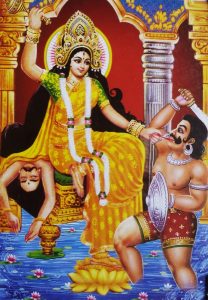
đŸŒēMaa Bagalamukhi đŸŒē

Spread the love

BagalāmukhÄĢ in Vedas

BagalāmukhÄĢ is one among the Dasha Mahavidya Goddesses, she is the bramhāstra vidya, whose mighty power is invoked to annihilate evil within one’s self and also to receive divine protection from external negative influences upon one’s life. Her association with the occult mentioned in tantras such as the kāmadhenu tantra and others, have popularized her as a tantric deity. Apart from Tantras, there are also mentions of Devi in various Vedic Samhitas. The Sukla Yajurveda mentions BagalāmukhÄĢ as Vagala, the Stambhana Shakti invoked by gods to vanquish evil.The shlokas mentioned here are from kāᚭhaka Samhita of Káš›ášŖáš‡a Yajurveda, which describes Devi’s staᚃbhana/control & paralyzing power as viášŖáš­ambha, through which she controls all minds.

ā¤ĩā¤ŋā¤°ā¤žā¤ĄāĨ ā¤Ļā¤ŋā¤ļā¤ž ā¤ĩā¤ŋ⤎āĨā¤ŖāĨ ā¤Ē⤤āĨā¤¨āĨā¤¯ā¤˜āĨ‹ā¤°ā¤žā¤¸āĨā¤¯āĨ‡ā¤ļā¤žā¤¨ā¤ž ā¤¸ā¤šā¤¸āĨ‹ ā¤¯ā¤ž ā¤Žā¤¨āĨ‹ā¤¤ā¤ž l
ā¤ĩā¤ŋā¤ļāĨā¤ĩ ā¤ĩāĨā¤¯ā¤šā¤ž ⤇⤎āĨā¤¯ā¤¨āĨā¤¤āĨ€ ⤏āĨā¤­āĨ‚ā¤¤ā¤ž ā¤ļā¤ŋā¤ĩāĨ‹ ⤍āĨ‹ ⤅⤏āĨā¤¤āĨ ⤅ā¤Ļā¤ŋ⤤ā¤ŋ⤰āĨā¤Ē⤏āĨā¤ĨāĨ‡ ll
ā¤ĩā¤ŋ⤎āĨā¤Ÿā¤ŽāĨā¤­āĨ‹ ā¤Ļā¤ŋā¤ĩāĨ‹ ⤧⤰āĨā¤Ŗā¤ƒ ā¤ĒāĨƒā¤Ĩā¤ŋā¤ĩāĨā¤¯ā¤ž ⤅⤏āĨā¤¯āĨ‡ā¤ļā¤žā¤¨ā¤ž ā¤¸ā¤šā¤¸āĨ‹ ā¤ĩā¤ŋ⤎āĨā¤ŖāĨā¤Ē⤤āĨā¤¨āĨ€ l
ā¤ĩāĨƒā¤šā¤¸āĨā¤Ē⤤ā¤ŋ ā¤Žā¤žā¤°āĨā¤¤ā¤žā¤° ā¤ļāĨā¤ĩāĨ‹ā¤¤āĨ ā¤ĩā¤žā¤¯āĨā¤¸ā¤‚⤧āĨā¤ĩā¤žā¤¨ā¤ž ā¤ĩā¤žā¤¤ā¤ž ⤅⤭ā¤ŋ⤤āĨ‹ ⤗āĨƒā¤Ŗā¤¨āĨā¤¤āĨ l

virāḍ diśā viášŖáš‡u patnyaghōrāsyēśānā sahasō yā manōtā l
viśva vyacā iášŖyantÄĢ subhÅĢtā śivō nō astu aditirupasthē ll
viášŖáš­ambhō divō dharuṇaá¸Ĩ prĖĨthivyā asyēśānā sahasō viášŖáš‡upatnÄĢ l
vrĖĨhaspati mārtāra śvōt vāyusaᚁdhvānā vātā abhitō grĖĨṇantu l

“The one who illuminates all ten-directions, whose beauty remains unmatched, the embodiment of Vishnu’s spouse. The Ishvari, empress of all realms/lokas, as she holds the greatest strength in this creation known as manōtā. Manōtā is the one who controls the manastatvam, the mind and Vaak, the speech of the celestial deities. As viśva vyacā, she illuminates all-stars in constellations, thus lighting this universe. As iášŖyantÄĢ, she lives in all beings as the icchā śakti, the power of desire. SubhÅĢtā, through her blissful erotic desire, manifests in different forms of life. My prayers to that lady śivā The Mother of gods, Aditi who constantly stays close to her devotees. She is the viášŖáš­ambha/staᚃbhana power that controls and paralyzes all lokas upon her command. The ruler of all mortals, the spouse of viášŖáš‡u, vrĖĨhaspati and vāyu are whose forms, the creator of speech. As vātā, she stabilizes DoášŖas in the body caused by air element or vāyu, my obeisance to that Goddess who grants both bhukti(enjoyments) and Mukti(liberation) as boons.”

~kāᚭhaka Samhita, káš›ášŖáš‡a Yajurveda

She is the creator of Vaak or speech, she controls and paralyzes contaminated speech, as she reminds her devotees to always make auspicious utterances, as karma gathered through misuse of speech burdens that jiva’s life.Her bewitching beauty is described as superior in all lokas, as viśva vyacā she is the illuminator of all cosmos. She is also mentioned as Mahalakshmi and Vaishnavi as per both Sukla Yajurveda and Káš›ášŖáš‡a Yajurveda.The svatantra tantra described her as the manifestation of Lalita Maha Tripurasundari, which makes her one of the prominent deities in Sri Kula, who grants both Bhoga (material blessings) and Moksha (liberation) to her bhaktas.

May the blessings of Ma BagalāmukhÄĢ grant us victory over those inner enemies which obstructs our growth and spiritual transformation.

✓✓collected from different sources

PUBLISHED BY SHRUTI ADHYA KUNDU MARKETTING OFFICER OF SYCN.


Spread the love

đŸŒēSupremacy of KaliđŸŒē

Spread the love

Supremacy of Kali

Kali is known as the dark energy, as she remains mysterious/unknown even to celestial deities. Unless there is light an ordinary human mind can’t perceive the intricacies related to that form in terms of its geometry, measurements, nature, influence and energy. With Kali, it’s just one enormous dark cosmic hallway where small temporary forms of light appear and dissolve simultaneously back into darkness. The light in the hallway is our finite reality. The physical life is born encapsulated with finite elements from stardust like carbon in DNA along with oxygen, iron, silicon etc. The finite life of your human body, just like those stars stays until the elemental composition runs out of fuel, and just like your body dies, once nuclear fusion stops even magnanimous stars become dwarfs and die. No matter what happens the climax of everything including the universe is always about the dissolution of all once illuminating matter back to darkness, it’s source.

Kali is referred to as the Universal Mother as she predates everything. She birthed everything, from sub-atomic particles, atoms, and neutrinos to microscopic entities to full-fledged flora and fauna. There is no end to her glory, and even with thousands and lakhs of lifetimes, it’s impossible to even for enlightened Siddhas, Yogis, Paramhamsas and Avadhutas to comprehend her mysticism completely.

In Saundarya Lahari, Adi Shankaracharya said it’s a spell that she casts upon the deities which makes Bramha believe he is the jagatsoota, the creator of the universe, Vishnu believes he is the avata, protector and Rudra believes he is the Kshapata, the destroyer. Under her spell, they forget that these three get absorbed again in Isha, the maheshvara from whom these presiding deities of Sattva, Rajas and Tamas have appeared. Isha again disappears back into Sadashiva, the primordial aspect of Shiva, who predates all sound reverberations in existence. This cycle of origin which begins from formless to form, multiplication of gunas, creation, birth, lifetime, death and merger all takes place through a single mandate from the Great Goddess herself. Shankara defined her action as a mere movement of her creeper like brows which is enough to make these deities perform actions on her command.

The Divine Mother need not speak, as even Sadashiva, the highest transcendental aspect of Shiva isn’t independent of her Maya and gets a command from her to perform as such. In her iconography as both Dakshina Kali, and Lalita Tripurasundari, she is seated in union with Sadashiva, who forms the bed of her throne, and the pedestals were formed by Bramha, Vishnu, Rudra and Ishvara/Isha. Shakti remains the dominant force who birthed all these subservient forces and elements which gave rise to existence. The Mastery upon Maya, the illusion of birth, death and materialism solely rests with Shakti herself who created Maya. The Release or Mukti from this illusion as well is bestowed by the Great Goddess Kali herself, from whom the illusion of light is born and dissolves back into her Darkness/ Unknown Transcendental Energy or Para Bramhan.

✓(collected) published by Shruti Adhya Kundu marketing officer of SYCN


Spread the love

🍂🍁āĻ—ā§‹āĻ¤ā§āϰ āϏāĻŽā§āĻĒāĻ°ā§āĻ•āĻŋāϤ āφāϞ⧋āϚāύāĻžđŸđŸ‚

Spread the love


đŸ”ģāĻ—ā§‹āĻ¤ā§āϰ āĻļāĻŦā§āĻĻ⧇āϰ āĻ…āĻ°ā§āĻĨ āϕ⧁āϞ āĻŦāĻž āĻŦāĻ‚āĻļāĨ¤āϏāύāĻžāϤāύ āϧāĻ°ā§āĻŽā§‡ āĻ—ā§‹āĻ¤ā§āϰ āĻŽāĻžāύ⧇ āĻāĻ•āχ āĻĒāĻŋāϤāĻžāϰ āĻ”āϰāϏāϜāĻžāϤ āϏāĻ¨ā§āϤāĻžāύ-āϏāĻ¨ā§āϤāϤāĻŋ āĻĻā§āĻŦāĻžāϰāĻž āϏ⧃āĻˇā§āϟ āĻŦāĻ‚āĻļ āĻĒāϰāĻŽā§āĻĒāϰāĻžāĨ¤āĻ—ā§‹-āĻļāĻŦā§āĻĻ⧇āϰ āĻ‰ā§ŽāĻĒāĻ¤ā§āϤāĻŋ āĻšāϝāĻŧ⧇āϛ⧇ āĻ—āĻŽā§-āϧāĻžāϤ⧁ āĻĨ⧇āϕ⧇ āϝāĻžāϰ āĻ…āĻ°ā§āĻĨ- āĻ—āϤāĻŋāĨ¤ āφāϰ ‘āĻ¤ā§āĻ°â€™ āωāϤāĻĒāĻ¤ā§āϤāĻŋ āĻšāϝāĻŧ⧇āϛ⧇ āĻ¤ā§āϰ⧈-āϧāĻžāϤ⧁ āĻĨ⧇āϕ⧇, āĻŽāĻžāύ⧇ āĻšāϞ⧋ āĻ¤ā§āϰāĻžāĻŖ āĻ•āϰāĻžāĨ¤ āϤāĻžāχ āĻ—ā§‹āĻ¤ā§āϰ āĻŽāĻžāύ⧇ āĻĻāĻžāρāĻĄāĻŧāĻžāϝāĻŧ āĻŦāĻ‚āĻļ⧇āϰ āϧāĻžāϰāĻž āĻŦāĻž āĻ—āϤāĻŋ āϝāĻžāρāϰ āĻŽāĻžāĻ§ā§āϝāĻŽā§‡ āϰāĻ•ā§āώāĻŋāϤ āĻšāϝāĻŧ āϏ⧇āχ āĻ¸ā§āĻŽāϰāύ⧀āϝāĻŧ āĻĒāĻŋāϤ⧃āĻĒ⧁āϰ⧁āώāĨ¤ āϤāĻŋāύāĻŋāχ āĻ—ā§‹āĻ¤ā§āϰ āĻĒāĻŋāϤāĻžāĨ¤āϏāύāĻžāϤāύ āϧāĻ°ā§āĻŽā§‡āϰ āĻŦ⧈āĻļāĻŋāĻˇā§āĻŸā§āϝ āĻšāϞ⧋,āĻ āϧāĻ°ā§āĻŽā§‡āϰ āĻŦāĻ‚āĻļ āϰāĻ•ā§āώāĻžāϰ āϧāĻžāϰāĻžāϝāĻŧ āĻ‹āώāĻŋāĻ—āĻŖ āϏāĻŽā§āĻĒ⧃āĻ•ā§āϤ āĻ›āĻŋāϞ⧇āύāĨ¤āĻāχ āĻāϕ⧇āĻ•āϜāύ āĻ‹āώāĻŋāϰ āĻŦāĻ‚āĻļ āĻĒāϰāĻŽā§āĻĒāϰāĻž āϤāĻžāĻĻ⧇āϰ āύāĻžāĻŽā§‡ āĻāĻ• āĻāĻ•āϟāĻŋ āĻ—ā§‹āĻ¤ā§āϰ āĻšāĻŋāϏ⧇āĻŦ⧇ āĻĒāϰāĻŋāϚāĻŋāϤ āϞāĻžāĻ­ āĻ•āϰ⧇āĨ¤


āĻĒā§‚āϜāĻž, āϝāĻœā§āĻž āĻ•āĻŋāĻ‚āĻŦāĻž āĻŦāĻŋāĻŦāĻžāĻš āϝ⧇āϕ⧋āύ⧋ āĻŽāĻžāĻ™ā§āĻ—āϞāĻŋāĻ• āĻ…āύ⧁āĻˇā§āĻ āĻžāύ⧇āχ āĻ—ā§‹āĻ¤ā§āϰ⧇āϰ āύāĻžāĻŽ āϜāĻŋāĻœā§āĻžā§‡āϏ āĻ•āϰāĻž āĻšāϞ⧇ āύāĻžāĻŽāϟāĻž āĻ…āĻŦāϞ⧀āϞāĻžāϝāĻŧ āĻŽā§āĻ– āĻĨ⧇āϕ⧇ āύāĻŋāĻ°ā§āĻ—āϤ āĻšāϞ⧇āĻ“ āϤāĻž āϕ⧇āĻŦāϞ āύāĻžāĻŽāϏāĻ°ā§āĻŦāĻ¸ā§āĻŦāχāĨ¤ āĻāϰ āĻŦāĻžāχāϰ⧇ āĻ—ā§‹āĻ¤ā§āϰ āϏāĻŽā§āĻŦāĻ¨ā§āϧ⧇ āϖ⧁āĻŦ āĻ•āĻŽ āϞ⧋āĻ•āϰāχ āϜāĻžāύāĻžāĨ¤ āĻĒāĻžāϰāĻŋāĻŦāĻžāϰāĻŋāĻ• āĻĒāϰāĻŽā§āĻĒāϰāĻžāϝāĻŧ āĻļ⧁āϧ⧁ āύāĻžāĻŽāϟāĻŋāχ āĻĒā§āϰāĻŦāĻžāĻšāĻŋāϤ āĻšāϝāĻŧ⧇ āφāϏāϛ⧇, āĻ•āĻŋāĻ¨ā§āϤ⧁ āĻāϰ āĻ‰ā§ŽāϏ āϏāĻŽā§āĻŦāĻ¨ā§āϧ⧇ āĻ…āϧāĻŋāĻ•āĻžāĻ‚āĻļāχ āĻ…āĻœā§āĻžāĨ¤


āϕ⧀āĻ­āĻžāĻŦ⧇ āφāĻŽāĻžāĻĻ⧇āϰ āύāĻžāĻŽā§‡āϰ āϏāĻžāĻĨ⧇ āĻāχ āĻ—ā§‹āĻ¤ā§āϰāϟāĻŋ āϝ⧁āĻ•ā§āϤ āĻšāϝāĻŧ⧇ āϗ⧇āϞ? āĻāϰ āύ⧇āĻĒāĻĨā§āϝ⧇ āϕ⧀?

āĻ—ā§‹āĻ¤ā§āϰ āϏāĻŽā§āĻĒāĻ°ā§āϕ⧇ āϜāĻžāύāϤ⧇ āĻšāϞ⧇ āĻāχ āĻŦā§āϰāĻšā§āĻŽāĻžāĻ¨ā§āĻĄ āϏ⧃āĻˇā§āϟāĻŋāϰ āϏ⧂āϚāύāĻžāϞāĻ—ā§āύ āĻĨ⧇āϕ⧇ āĻāϰ āχāϤāĻŋāĻšāĻžāϏ āϜāĻžāύāϤ⧇ āĻšāĻŦ⧇āĨ¤ āĻ­āĻ—āĻŦāĻžāύ⧇āϰ āύāĻŋāĻ°ā§āĻĻ⧇āĻļ⧇ āĻŦā§āϰāĻšā§āĻŽāĻž āϏ⧃āĻˇā§āϟāĻŋ āĻ•āĻžāĻ°ā§āϝ āĻļ⧁āϰ⧁ āĻ•āϰāϞ⧇āύāĨ¤ āĻŦā§āϰāĻšā§āĻŽāĻž āϏāύāĻ•, āϏāύāĻ¨ā§āĻĻ, āϏāύāĻžāϤāύ āĻ“ āϏāĻ¨ā§Žāϕ⧁āĻŽāĻžāϰ āύāĻžāĻŽā§‡ āϚāĻžāϰāϜāύ āĻŽāĻšāĻ°ā§āώāĻŋāϕ⧇ āϏ⧃āĻˇā§āϟāĻŋ āĻ•āϰ⧇āĻ›āĻŋāϞ⧇āύ āϏ⧃āĻˇā§āϟāĻŋ āĻŦāĻŋāĻ¸ā§āϤāĻžāϰ⧇āϰ āϞāĻ•ā§āĻˇā§āϝ⧇ āĨ¤āϤāĻžāĻĻ⧇āϰ āϏ⧃āĻˇā§āϟāĻŋ āĻ•āϰāĻž āĻšāϞ⧇āĻ“ āĻ­āĻ—āĻŦāĻžāύ āĻŦāĻžāϏ⧁āĻĻ⧇āĻŦ⧇āϰ āĻĒā§āϰāϤāĻŋ āĻ­āĻ•ā§āϤāĻŋāĻĒāϰāĻžāϝāĻŧāĻŖ āĻšāϝāĻŧ⧇ āĻŽā§‹āĻ•ā§āώ āϞāĻžāĻ­ āĻ•āϰ⧇āĨ¤āĻŽā§‹āĻ•ā§āώāύāĻŋāĻˇā§āĻ  āϕ⧁āĻŽāĻžāϰ⧇āϰāĻž āϏ⧃āĻˇā§āϟāĻŋ āĻŦāĻŋāĻ¸ā§āϤāĻžāϰ⧇ āĻ•āĻžāϜ āĻ•āϰāĻžāϰ āĻ…āύāĻŋāĻšā§āĻ›āĻž āĻĒā§āϰāĻ•āĻžāĻļ āĻ•āϰāϞ⧇āύāĨ¤


āĻŦā§āϰāĻšā§āĻŽāĻž āϝāĻ–āύ āĻĻ⧇āĻ–āϞ⧇āύ āϝ⧇, āĻŽāĻšāĻžāĻŦā§€āĻ°ā§āϝāĻŦāĻžāύ āĻ‹āώāĻŋāĻĻ⧇āϰ āωāĻĒāĻ¸ā§āĻĨāĻŋāϤāĻŋ āϏāĻ¤ā§āĻ¤ā§āĻŦ⧇āĻ“ āϏ⧃āĻˇā§āϟāĻŋāϰ āĻŦāĻŋāĻ¸ā§āϤāĻžāϰ āϤāĻĨāĻž āĻŽāύ⧁āĻˇā§āϝāϕ⧁āϞ āĻĒāĻ°ā§āϝāĻžāĻĒā§āϤ āĻĒāϰāĻŋāĻŽāĻžāϪ⧇ āĻŦ⧃āĻĻā§āϧāĻŋ āĻĒāĻžāĻšā§āϛ⧇ āύāĻž, āϤāĻ–āύ āϤāĻŋāύāĻŋ āĻ—āĻ­ā§€āϰāĻ­āĻžāĻŦ⧇ āϚāĻŋāĻ¨ā§āϤāĻž āĻ•āϰāϤ⧇ āϞāĻžāĻ—āϞ⧇āύ āϕ⧀āĻ­āĻžāĻŦ⧇ āϜāύāϏāĻ‚āĻ–ā§āϝāĻž āĻŦ⧃āĻĻā§āϧāĻŋ āĻ•āϰāĻž āϝāĻžāϝāĻŧāĨ¤ āϤāĻŋāύāĻŋ āϚāĻŋāĻ¨ā§āϤāĻž āĻ•āϰāϞ⧇āύ, āύāĻŋāĻœā§‡āϰ āĻĻ⧇āĻš āĻĨ⧇āϕ⧇ āĻāĻ­āĻžāĻŦ⧇ āϏ⧃āĻˇā§āϟāĻŋ āύāĻž āĻ•āϰ⧇, āύāĻžāϰ⧀-āĻĒ⧁āϰ⧁āώ⧇āϰ āĻŽāĻžāĻ§ā§āϝāĻŽā§‡ āϏāĻ‚āϏāĻžāϰ āϏ⧃āĻˇā§āϟāĻŋ āĻšā§‹āĻ•āĨ¤ āϤāĻ–āύ āϤāĻžāρāϰāĻž āĻĻ⧇āĻš āĻĨ⧇āϕ⧇ āĻĒā§āϰāĻžāύ āĻĒ⧇āϝāĻŧ⧇āĻ›āĻŋāϞ āφāĻĻāĻŋ āĻŽāĻžāύāĻŦ āĻĒāĻŋāϤāĻž āĻŽāĻžāϤāĻžāϰ, āϤāĻžāρāϰāĻž āĻšāϞ⧇āύ āĻŽāύ⧁ āĻ“ āĻļāϤāϰ⧂āĻĒāĻžāĨ¤


āĻŽāύ⧁ āϤāĻžāρāϰ āĻœā§‡āĻˇā§āĻ ā§āϝ āĻ•āĻ¨ā§āϝāĻž āφāϕ⧁āϤāĻŋāϕ⧇ āϰ⧁āϚāĻŋ āύāĻžāĻŽāĻ• āĻ‹āώāĻŋāϕ⧇ āĻĻāĻžāύ āĻ•āϰ⧇āύ āĻāĻŦāĻ‚ āĻ•āύāĻŋāĻˇā§āĻ āĻž āĻ•āĻ¨ā§āϝāĻž āĻĒā§āϰāϏ⧂āϤāĻŋāϕ⧇ āĻĻāĻ•ā§āώ⧇āϰ āύāĻŋāĻ•āϟ āĻĻāĻžāύ āĻ•āϰ⧇āύāĨ¤ āϤāĻžāρāĻĻ⧇āϰ āĻĻā§āĻŦāĻžāϰāĻžāχ āϏāĻŽāĻ—ā§āϰ āϜāĻ—ā§Ž āϜāύāϏāĻ‚āĻ–ā§āϝāĻžāϝāĻŧ āĻĒā§‚āĻ°ā§āĻŖ āĻšāϝāĻŧ⧇āϛ⧇āĨ¤ āĻŦā§āϰāĻšā§āĻŽāĻž āĻĨ⧇āϕ⧇ āϏ⧃āĻˇā§āϟ āĻ‹āώāĻŋāĻĻ⧇āϰ āĻĨ⧇āϕ⧇āχ āĻŦāĻŋāĻ­āĻŋāĻ¨ā§āύ āĻ—ā§‹āĻ¤ā§āϰ⧇āϰ āĻĒā§āϰāĻŦāĻ°ā§āϤāύ āĻšāϝāĻŧ⧇āϛ⧇āĨ¤


āĻ—ā§‹āĻ¤ā§āϰ āĻĒā§āϰāϏāĻ™ā§āϗ⧇ āĻ­āĻžāϰāϤ⧀āϝāĻŧ āĻ—āĻŖāĻŋāϤāĻŦāĻŋāĻĻ āĻŦ⧌āϧāĻžāϝāĻŧāύ (āĻ–ā§āϰ⧀āĻˇā§āϟāĻĒā§‚āĻ°ā§āĻŦ ā§Žā§Ļā§Ļ āĻļāϤāĻ•) āĻāϰ āĻŽāϤ āύāĻŋāĻŽā§āύāϰ⧂āĻĒ-


āĻŦāĻŋāĻļā§āĻŦāĻžāĻŽāĻŋāĻ¤ā§āϰ⧋ āϜāĻŽāĻĻāĻ—ā§āύāĻŋāĻ­āϰāĻĻā§āĻŦāĻžāĻœā§‹āĻ¤ā§āĻĨ āĻ—ā§ŒāϤāĻŽāσāĨ¤


āĻ…āĻ¤ā§āϰāĻŋāĻŦāĻļāĻŋāĻˇā§āĻ āσ āĻ•āĻļā§āϝāĻĒ āχāĻ¤ā§āϝ⧇āϤ⧇ āϏāĻĒā§āϤāĻ‹āώāϝāĻŧāĨ¤


āϏāĻĒā§āϤāĻžāύāĻžāĻ‚ āĻ‹āώāĻŋāύāĻžāĻŽāĻ—āĻ¸ā§āĻ¤ā§āϝāĻžāĻˇā§āϟāĻŽāĻžāύāĻžāĻ‚ āϝāĻĻāĻĒāĻ¤ā§āϝāĻ‚ āϤāĻĻāĻ—ā§‹āĻ¤ā§āϰāĻŽā§āĨ¤āĨ¤


āĻ…āĻ°ā§āĻĨāĻžā§Ž, āĻŦāĻŋāĻļā§āĻŦāĻžāĻŽāĻŋāĻ¤ā§āϰ, āϜāĻŽāĻĻāĻ—ā§āύāĻŋ, āĻ­āϰāĻĻā§āĻŦāĻžāϜ, āĻ—ā§ŒāϤāĻŽ, āĻ…āĻ¤ā§āϰāĻŋ, āĻŦāĻļāĻŋāĻˇā§āĻ ,āĻ“ āĻ•āĻļā§āϝāĻĒ āĻāχ āϏāĻžāϤāϜāύ āĻŽā§āύāĻŋāϰ āĻĒ⧁āĻ¤ā§āϰ āĻ“ āĻĒ⧌āĻ¤ā§āϰ āĻĒā§āϰāϭ⧃āϤāĻŋ āĻ…āĻĒāĻ¤ā§āϝāĻ—āϪ⧇āϰ āĻŽāĻ§ā§āϝ⧇ āϝāĻŋāύāĻŋ āĻ‹āώāĻŋ āĻšāĻ“āϝāĻŧāĻžāϰ āϝ⧋āĻ—ā§āϝāϤāĻž āϰāϝāĻŧ⧇āϛ⧇, āϤāĻžāρāϰ āύāĻžāĻŽā§‡āχ āĻĒā§‚āĻ°ā§āĻŦāĻŦāĻ°ā§āϤ⧀ āĻ“ āĻĒāϰāĻŦāĻ°ā§āϤ⧀ āϏāĻ•āϞ⧇āϰ āĻ—ā§‹āĻ¤ā§āϰ āĨ¤


āĻŦ⧌āϧāĻžāϝāĻŧāύāϏ⧂āĻ¤ā§āϰ⧇ āĻŦāĻŋāĻļā§āĻŦāĻžāĻŽāĻŋāĻ¤ā§āϰ, āϜāĻŽāĻĻāĻ—ā§āύāĻŋ, āĻ­āϰāĻĻā§āĻŦāĻžāϜ, āĻ—ā§ŒāϤāĻŽ, āĻ…āĻ¤ā§āϰāĻŋ, āĻŦāĻļāĻŋāĻˇā§āĻ  āĻ“ āĻ•āĻļā§āϝāĻĒ āĻāχ āϏāĻžāϤāϜāύ āĻ‹āώāĻŋāχ āφāĻĻāĻŋ āĻ—ā§‹āĻ¤ā§āϰāĻ•āĻžāϰ āĻŦāϞ⧇ āύāĻŋāĻ°ā§āĻĻāĻŋāĻˇā§āϟ āφāϛ⧇āύāĨ¤ āϏāĻžāϤāϜāύ āĻ‹āώāĻŋ āĻĨ⧇āϕ⧇ āĻĒā§āϰāĻŦāĻžāĻšāĻŋāϤ āĻ—ā§‹āĻ¤ā§āϰ āĻŦā§āϝāϤāĻŋāϤ āφāϰāĻ“ āĻ•āĻŋāϛ⧁ āĻ—ā§‹āĻ¤ā§āϰ⧇āϰ āύāĻžāĻŽāĻ“ āĻļā§‹āύāĻž āϝāĻžāϝāĻŧāĨ¤ āϤāĻŦ⧇ āĻāϰ āĻ•āĻžāϰāĻŖ āĻšāĻšā§āϛ⧇ āĻāĻ•āχ āĻ—ā§‹āĻ¤ā§āϰāĻĻā§āϭ⧁āϤ āϕ⧋āύ⧋ āĻĒā§āϰāϏāĻŋāĻĻā§āϧ āĻŦā§āϝāĻ•ā§āϤāĻŋāϰ āύāĻžāĻŽ āĻ…āύ⧁āϏāĻžāϰ⧇ āĻĒāϰāĻŦāĻ°ā§āϤ⧀ āϕ⧋āύ⧋ āϏāĻŽāϝāĻŧ⧇ āϐ āĻĒā§āϰāϏāĻŋāĻĻā§āϧ āĻŦā§āϝāĻ•ā§āϤāĻŋāϰ āύāĻžāĻŽā§‡ āĻ—ā§‹āĻ¤ā§āϰ āĻĒāϰāĻŋāϚāϝāĻŧ āĻĻ⧇āĻ“āϝāĻŧāĻžāĨ¤ āϝ⧇āĻŽāύ āĻ•āĻžāĻļā§āϝāĻĒ āĻ—ā§‹āĻ¤ā§āϰ⧇āϰ āĻŦāĻ‚āĻļāĻ•ā§āϰāĻŽā§‡ āϝāĻĻāĻŋ āϕ⧋āύ⧋ āĻŦā§āϝāĻ•ā§āϤāĻŋ āĻĒā§āϰāϏāĻŋāĻĻā§āϧ āĻšāϝāĻŧ āĻāĻŦāĻ‚ āĻĒāϰāĻŦāĻ°ā§āϤ⧀āϤ⧇ āϝāĻĻāĻŋ āϏ⧇āχ āĻĒā§āϰāϏāĻŋāĻĻā§āϧ āĻŦā§āϝāĻ•ā§āϤāĻŋāϰ āύāĻžāĻŽā§‡ āĻ—ā§‹āĻ¤ā§āϰ āĻĒāϰāĻŋāϚāϝāĻŧ āĻšāϝāĻŧ⧇ āĻĨāĻžāϕ⧇ āĨ¤ āĻāχāϰ⧂āĻĒ āφāϰāĻ“ āĻ•āĻŋāϛ⧁ āĻ—ā§‹āĻ¤ā§āϰ āφāϛ⧇ āϝ⧇āĻŽāύ āĻļāĻžāĻŖā§āĻĄāĻŋāĻ˛ā§āϝ,āĻ…āĻ—ā§āϝāĻ¸ā§āϤ,āĻ•āĻžāĻ¤ā§āϝāĻžāϝāĻŧāύ, āĻŦāĻžā§ŽāĻ¸ā§āϝ, āϏāĻžāĻ°ā§āĻŦāύ, āĻ•ā§ŒāĻļāĻŋāĻ•, āĻŽā§ŒāĻĻāĻ—āĻ˛ā§āϝ, āφāϞāĻŽā§āϝāĻžāύ, āĻĒāϰāĻžāĻļāϰ, āĻ…āĻ¤ā§āϰāĻŋ, āϰ⧋āĻšāĻŋāϤ, āĻŦ⧃āĻšāĻ¸ā§āĻĒāϤāĻŋ, āĻ—āĻ°ā§āĻ— āχāĻ¤ā§āϝāĻžāĻĻāĻŋāĨ¤


āĻĒā§āϰāĻžāϝāĻŧāχ āĻļā§‹āύāĻž āϝāĻžāϝāĻŧ, āĻāĻ•āχ āĻ—ā§‹āĻ¤ā§āϰ⧇ āϕ⧇āύ āĻŦāĻŋāĻŦāĻžāĻš āĻ•āϰāĻž āϝāĻžāϝāĻŧā§āύāĻž?āĻœā§‡āύ⧇ āύ⧇āϝāĻŧāĻž āϝāĻžāĻ• āĻāĻ•ā§āώ⧇āĻ¤ā§āϰ⧇ āĻļāĻžāĻ¸ā§āĻ¤ā§āϰ⧇ āϕ⧀ āĻŦāϞāĻž āĻšāϝāĻŧ⧇āϛ⧇?

āĻāĻ•āϟāĻŋ āĻŦāĻ‚āĻļ⧇āϰ āϰāĻ•ā§āϤ āϧāĻžāϰāĻžāĻŦāĻžāĻšāĻŋāĻ•āĻ­āĻžāĻŦ⧇ āĻĒā§āϰāĻ­āĻžāĻŦāĻŋāϤ āĻšāϝāĻŧ āĻĒ⧁āϰ⧁āώ āĻĒāϰāĻŽā§āĻĒāϰāĻžāϝāĻŧāĨ¤ āĻŦ⧈āĻĻāĻŋāĻ• āϝ⧁āĻ— āĻĨ⧇āϕ⧇āχ āĻāĻ•āχ āĻ—ā§‹āĻ¤ā§āϰ⧇ āĻŦāĻŋāĻŦāĻžāĻšā§‡āϰ āύāĻŋāώ⧇āϧ āφāϛ⧇āĨ¤āϕ⧇āύāύāĻž āϏāĻŽāĻ—ā§‹āĻ¤ā§āϰ āĻŽāĻžāύ⧇ āĻŦāϰ āĻ“ āĻ•āύ⧇āϰ āϕ⧋āύ⧋ āύāĻž āϕ⧋āύ⧋ āĻĒāĻŋāϤ⧃āĻĒ⧁āϰ⧁āώ āĻāĻ•āχ āĻĒāĻŋāϤāĻžāϰ āĻĨ⧇āϕ⧇ āĻāϏ⧇āϛ⧇āĨ¤ āϰāĻ•ā§āϤāϧāĻžāϰāĻž āϝ⧇āĻšā§‡āϤ⧁ āĻĒ⧁āϰ⧁āώ āĻĒāϰāĻŽā§āĻĒāϰāĻžāϝāĻŧ āĻĒā§āϰāĻŦāĻžāĻšāĻŋāϤ āĻšāϝāĻŧ āϏ⧁āϤāϰāĻžāĻ‚ āĻŦāĻ‚āĻļ⧇āϰ āϰāĻ•ā§āϤ⧇āϰ āϧāĻžāϰāĻ• āĻŦāĻžāĻšāĻ• āĻšāĻšā§āϛ⧇ āĻĒ⧁āϰ⧁āώāĨ¤āĻāϜāĻ¨ā§āϝ āĻāĻ•āχ āĻŦāĻ‚āĻļ⧇āϰ āϛ⧇āϞ⧇ āĻŽā§‡āϝāĻŧ⧇āϰ āĻŽāĻ§ā§āϝ⧇ āĻŦāĻŋāĻŦāĻžāĻš āĻŦāĻ¨ā§āϧāύ āĻšāϤ⧋ āύāĻžāĨ¤āĻ•āĻžāϰāĻŖ āĻšāĻŋāϏ⧇āĻŦ⧇ āĻŦ⧈āĻĻāĻŋāĻ• āĻļāĻžāĻ¸ā§āĻ¤ā§āϰāϏāĻŽā§‚āĻš āĻŦāĻŋāĻļ⧇āώ āĻ•āϰ⧇ āĻŽāύ⧁āϏāĻ‚āĻšāĻŋāϤāĻžāϝāĻŧ āĻŦāϞāĻž āĻšāĻšā§āϛ⧇, āĻāĻ•āχ āϰāĻ•ā§āϤ⧇āϰ āϏāĻŽā§āĻĒāĻ°ā§āϕ⧇āϰ āĻ•āĻžāϰ⧋ āϏāĻžāĻĨ⧇ āĻŦāĻŋāĻŦāĻžāĻš āĻšāϞ⧇ āϏāĻ¨ā§āϤāĻžāύ āĻŦāĻŋāĻ•āϞāĻžāĻ™ā§āĻ—, āĻļāĻžāϰ⧀āϰāĻŋāĻ• āĻŦāĻž āĻŽāĻžāύāϏāĻŋāĻ• āĻĒā§āϰāϤāĻŋāĻŦāĻ¨ā§āϧ⧀, āĻŽā§‡āϧāĻž āĻ“ āĻŦ⧁āĻĻā§āϧāĻŋāĻšā§€āύ āĻšāϝāĻŧāĨ¤ āĻļāĻŋāĻļ⧁ āύāĻžāύāĻž āϰ⧋āϗ⧇ āϜāϰāĻžāĻœā§€āĻ°ā§āĻŖ āĻšāϝāĻŧ⧇ āĻĨāĻžāϕ⧇āĨ¤ āϤāĻŦ⧇ āĻāĻ•āĻžāĻ¨ā§āϤāχ āĻĒā§āϰāϝāĻŧā§‹āϜāύ āĻšāϞ⧇ āϝ⧇āĻŽāύ āĻĒāĻžāĻ¤ā§āϰ-āĻĒāĻžāĻ¤ā§āϰ⧀ āύāĻž āĻĒāĻžāĻ“āϝāĻŧāĻž āϗ⧇āϞ⧇ ā§§ā§Ē āĻĒ⧁āϰ⧁āώ āĻĒ⧇āϰāĻŋāϝāĻŧ⧇ āϗ⧇āϞ⧇ āϤāĻ–āύ āĻŦāĻŋāĻŦāĻžāĻš āĻ•āϰāĻž āϝ⧇āϤ⧇ āĻĒāĻžāϰ⧇āĨ¤ āϤāĻŦ⧇ āϤāĻž āϝāĻĨāĻžāϏāĻŽā§āĻ­āĻŦ āĻāĻĄāĻŧāĻŋāϝāĻŧ⧇ āϚāϞāϞ⧇āχ āĻ­āĻžāϞ⧋āĨ¤


āĻŽāύ⧁āϏāĻ‚āĻšāĻŋāϤāĻžāϝāĻŧ (āĻŽāύ⧁āϏāĻ‚āĻšāĻŋāϤāĻž ā§Š/ā§Ģ-ā§Ŧ) āĻ āĻĒā§āϰāϏāĻ™ā§āϗ⧇ āĻŦāϞāĻž āĻšāϝāĻŧ⧇āĻ›ā§‡â€“


āĻ…āϏāĻĒāĻŋāĻ¨ā§āĻĄāĻž āϚ āϝāĻž āĻŽāĻžāϤ⧁āϰāϏāĻ—ā§‹āĻ¤ā§āϰāĻž āϚ āϝāĻž āĻĒāĻŋāϤ⧁āσāĨ¤


āϏāĻž āĻĒā§āϰāĻļāĻ¸ā§āϤāĻž āĻĻā§āĻŦāĻŋāϜāĻžāϤ⧀āύāĻžāĻ‚ āĻĻāĻžāϰāĻ•āĻ°ā§āĻŽāĻŖāĻŋ āĻŽā§ˆāĻĨ⧁āύ⧇āĨ¤āĨ¤


āĻ…āĻ°ā§āĻĨāĻžā§Ž, āϝ⧇ āύāĻžāϰ⧀ āĻŽāĻžāϤāĻžāϰ āϏāĻĒāĻŋāĻ¨ā§āĻĄāĻž āύāĻž āĻšāϝāĻŧ, āĻ…āĻ°ā§āĻĨāĻžā§Ž āϏāĻĒā§āϤāĻĒ⧁āϰ⧁āώ āĻĒāĻ°ā§āϝāĻ¨ā§āϤ āĻŽāĻžāϤāĻžāĻŽāĻšāĻžāĻĻāĻŋ āĻŦāĻ‚āĻļāϜāĻžāϤ āύāĻž āĻšāϝāĻŧ āĻ“ āĻŽāĻžāϤāĻžāĻŽāĻšā§‡āϰ āϚāϤ⧁āĻ°ā§āĻĻāĻļ āĻĒ⧁āϰ⧁āώ āĻĒāĻ°ā§āϝāĻ¨ā§āϤ āϏāĻ—ā§‹āĻ¤ā§āϰāĻž āύāĻž āĻšāϝāĻŧ āĻāĻŦāĻ‚ āĻĒāĻŋāϤāĻžāϰ āϏāĻ—ā§‹āĻ¤ā§āϰāĻž āĻŦāĻž āϏāĻĒāĻŋāĻ¨ā§āĻĄāĻž āύāĻž āĻšāϝāĻŧ, āĻ…āĻ°ā§āĻĨāĻžā§Ž āĻĒāĻŋāϤ⧃āĻ¸ā§āĻŦāϏāĻžāĻĻāĻŋāĻŦ āϏāĻ¨ā§āϤāĻžāύ āϏāĻŽā§āĻ­āĻŦ āϏāĻŽā§āĻŦāĻ¨ā§āϧ āύāĻž āĻšāϝāĻŧ āĻāĻŽāύ āĻ¸ā§āĻ¤ā§āϰ⧀-āχ āĻĻā§āĻŦāĻŋāϜāĻžāϤāĻŋāĻĻ⧇āϰ āĻŦāĻŋāĻŦāĻžāĻšā§‡āϰ āϝ⧋āĻ—ā§āϝ āĻŦāϞ⧇ āϜāĻžāύāĻŦ⧇āĨ¤


āĻŦ⧈āĻĻāĻŋāĻ• āĻļāĻžāĻ¸ā§āĻ¤ā§āϰ⧇āϰ āĻāχ āϏāĻŋāĻĻā§āϧāĻžāĻ¨ā§āϤ āφāϧ⧁āύāĻŋāĻ• āĻŦ⧈āĻœā§āĻžāĻžāύāĻŋāĻ•āĻ—āĻŖāĻ“ āĻ¸ā§āĻŦā§€āĻ•āĻžāϰ āĻ•āϰāϛ⧇āύ-


āϤāĻžāϰāĻž āĻŦāϞāϛ⧇āύ, āύāĻŋāĻ•āϟāĻžāĻ¤ā§āĻŽā§€āϝāĻŧāĻĻ⧇āϰ āĻŽāĻ§ā§āϝ⧇ āĻŦāĻŋāϝāĻŧ⧇āϰ āĻĒāϰāĻŋāĻŖāĻžāĻŽā§‡ āϝ⧇ āϏāĻ¨ā§āϤāĻžāύ āĻšāϝāĻŧ, āϤāĻžāϰ āĻŽāĻ§ā§āϝ⧇ āϜāĻ¨ā§āĻŽāĻ—āϤ āĻ¤ā§āϰ⧁āϟāĻŋ āĻĻ⧇āĻ–āĻž āĻĻ⧇āϝāĻŧāĻžāϰ āĻā§āρāĻ•āĻŋ āĻ…āύ⧇āĻ• āĻŦ⧇āĻļāĻŋāĨ¤ ‍”āĻĻā§āϝ āĻ˛ā§āϝāĻžāύāϏ⧇āĻŸâ€ āϏāĻžāĻŽāϝāĻŧāĻŋāϕ⧀āϤ⧇ āĻĒā§āϰāĻ•āĻžāĻļāĻŋāϤ āĻāĻ• āĻ—āĻŦ⧇āώāĻŖāĻž āύāĻŋāĻŦāĻ¨ā§āϧ⧇ āĻŦāĻŋāĻœā§āĻžāĻžāύ⧀āϰāĻž āĻ āϤāĻĨā§āϝ āϜāĻžāύāĻŋāϝāĻŧ⧇āϛ⧇āύāĨ¤

((āϏāĻ‚āĻ—ā§ƒāĻšā§€āϤ))

PUBLISHED BY SHRUTI ADHYA KUNDU MARKETING OFFICER OF SYCN.


Spread the love